 English
  日本語
日本語  한국어
한국어  français
  Deutsch
  Español
  italiano
  русский
  português
Single Vision Lens
Bifocal/Progressive Lens
Photochromic Lens
Blue Block Lens
Semi-Finished Lens
Myopia Control Lens
Lenses Glasses Moulds
Progressive Free Form Lens
Single Vision Lenses: Are They a Good Option for You?
Bifocal Lens vs Progressive Lens: How to Decide What’s Best
How to Choose Blue Block Lenses
Application Fields of Semi-Finished Lenses
How to Choose the Right Round Top Lens?
How Does the 1.56 Optical Lens Perform?
Myopia Control Lenses: A Powerful Tool for Vision Protection
Polycarbonate Lens Guide: Benefits, Safety, Comparisons & Best Uses in 2026
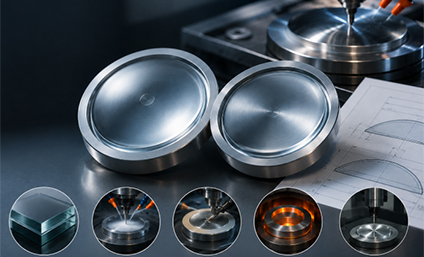
Optical Lens Mold Manufacturing Guide: Materials, Curves, Surface Accuracy and Supplier Selection
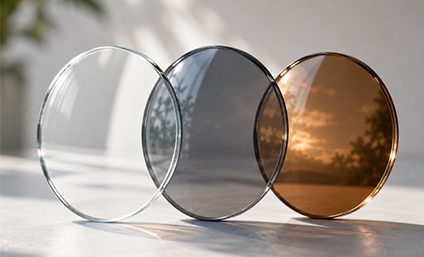
Photochromic Lens Manufacturing Methods: In-Mass vs Spin-Coated Lenses, Gray vs Brown and Index Selection
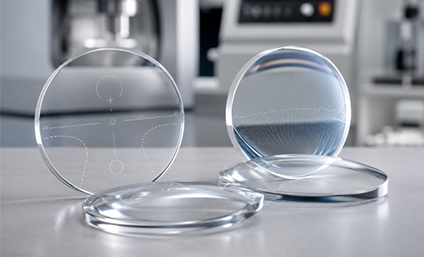
Guide to Manufacturing Freeform Progressive Lenses: Digital Surfacing, Corridor Design, and RX Customization
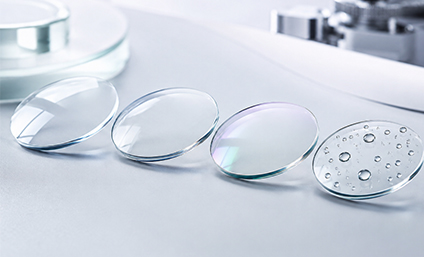
Eyeglass Lens Coatings Explained: UC vs. HC vs. HMC vs. SHMC and Super Hydrophobic Coating
Search
 日本語
日本語