Polycarbonate lenses have become one of the most popular choices in the optical industry due to their lightweight structure, high impact resistance, and UV protection. From everyday prescription eyewear to industrial safety glasses and sports goggles, polycarbonate technology is widely trusted by both consumers and optical manufacturers.
As a professional optical lens manufacturer, Crystal Optical provides advanced lens solutions for global eyewear brands, distributors, and OEM/ODM partners. In this guide, we explain how polycarbonate lenses work, their benefits, safety performance, and how they compare with traditional plastic lenses.
What Is a Polycarbonate Lens?
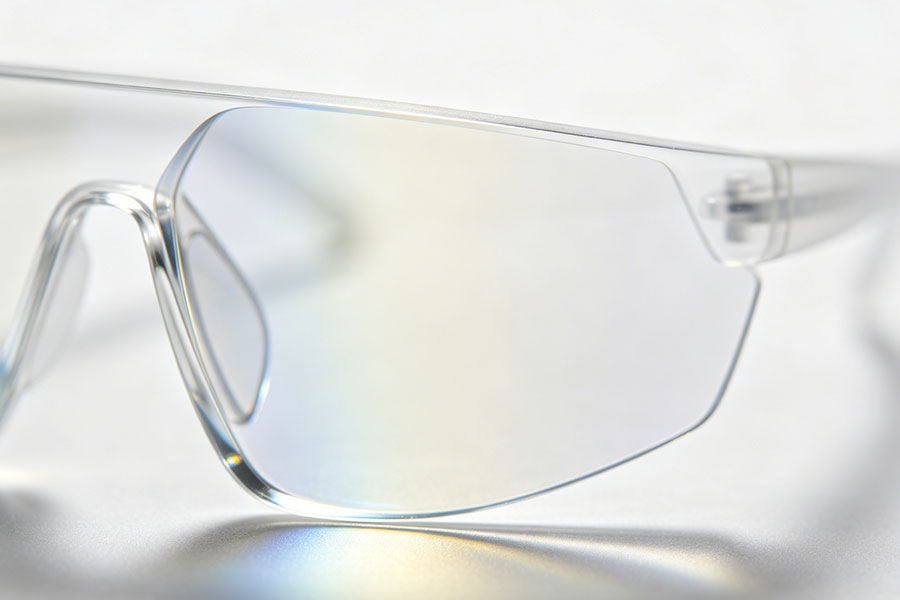
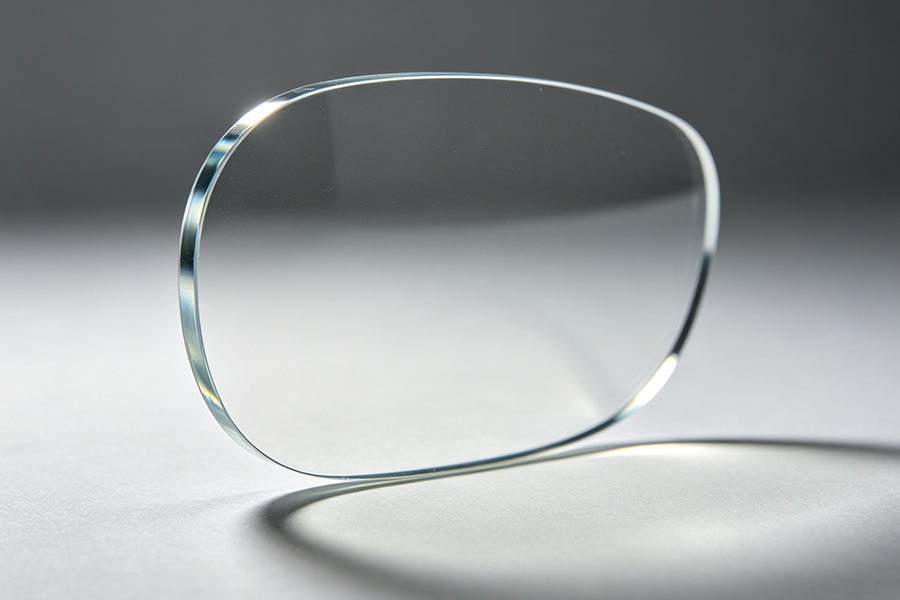
A polycarbonate lens is a lightweight, impact-resistant optical lens made from thermoplastic polymer material commonly used in eyewear, safety glasses, and sports goggles.
Polycarbonate was originally developed for aerospace and industrial applications because of its exceptional durability. Today, it is one of the most widely used materials in the eyewear industry.
Unlike traditional CR-39 plastic lenses, polycarbonate lenses are thinner and significantly more resistant to breakage. According to industry data, polycarbonate lenses are approximately 10 times more impact-resistant than standard plastic lenses, making them ideal for children, athletes, and industrial workers.
Key characteristics include:
For readers interested in optical manufacturing technologies, Crystal Optical's eyeglass lenses production solutions provide additional technical information about modern lens materials and coating systems.
Are Polycarbonate Lenses Good?
Polycarbonate lenses are considered good because they combine durability, lightweight comfort, UV protection, and safety performance in a single lens material.
For many users, polycarbonate lenses provide an excellent balance between comfort and protection. They are especially beneficial for:
Children’s glasses
Sports eyewear
Safety goggles
Rimless eyewear
Sunglasses
High-prescription lenses
One of the biggest advantages is weight reduction. Polycarbonate material is lighter than traditional plastic and significantly lighter than glass lenses. Many wearers notice reduced pressure on the nose and ears during long-term use.
Another important benefit is built-in UV protection. Polycarbonate naturally blocks nearly 100% of harmful UVA and UVB rays, even before additional coatings are applied.
The material also supports advanced optical coatings, including:
Modern manufacturers such as EssilorLuxottica and ZEISS Vision Care widely utilize polycarbonate technology in premium eyewear products.
Is Polycarbonate Safe for Eyes?
Polycarbonate lenses are considered safe for eyes because they provide strong impact protection and naturally block harmful ultraviolet radiation.
Safety is one of the primary reasons polycarbonate lenses dominate the protective eyewear market. The material meets or exceeds many industrial safety standards, including ANSI impact resistance requirements used in safety glasses and protective goggles.
Benefits related to eye safety include:
| Safety Feature | Benefit for Users |
| Impact resistance | Reduces risk of lens shattering |
| UV protection | Helps protect eyes from sun damage |
| Lightweight design | Improves wearing comfort |
| Thin profile | Reduces facial pressure |
| Durability | Suitable for active lifestyles |
Polycarbonate lenses are especially recommended for:
Children
Athletes
Construction workers
Laboratory staff
Cyclists
Drivers
What Is Better, Plastic or Polycarbonate Lenses?
Polycarbonate lenses are generally better for safety, durability, and lightweight comfort, while standard plastic lenses may offer slightly higher optical clarity at a lower cost.
Choosing between plastic and polycarbonate depends on user priorities, budget, and application scenarios.
Plastic vs Polycarbonate Lens Comparison
| Feature | Polycarbonate Lens | Standard Plastic Lens (CR-39) |
| Weight | Very lightweight | Moderate |
| Impact resistance | Extremely high | Moderate |
| UV protection | Built-in 100% UV protection | Requires coating |
| Thickness | Thinner | Thicker |
| Optical clarity | Very good | Excellent |
| Scratch resistance | Moderate without coating | Better naturally |
| Price | Slightly higher | More affordable |
| Best for | Safety, sports, kids | Everyday use |
Benefits of Polycarbonate Lenses
The benefits of polycarbonate lenses include impact resistance, lightweight comfort, UV protection, thin design, and compatibility with advanced optical coatings.
Polycarbonate has become one of the fastest-growing lens materials globally because it addresses multiple consumer demands simultaneously.
1. Exceptional Impact Resistance
Polycarbonate lenses are highly resistant to cracking and shattering. This makes them ideal for industrial safety eyewear and sports applications.
2. Lightweight Comfort
Polycarbonate material is significantly lighter than glass and lighter than many standard plastics. This improves long-term wearing comfort.
3. Thin and Modern Appearance
Because of its high refractive index, polycarbonate can achieve thinner lens profiles, especially for stronger prescriptions.
4. UV Protection
The material naturally blocks nearly all UVA and UVB rays, helping reduce long-term sun exposure risks.
5. Ideal for Active Lifestyles
Polycarbonate lenses are widely used in:
Cycling sunglasses
Ski goggles
Industrial eyewear
Military eyewear
Children’s glasses
6. Excellent for Rimless Frames
Because of their durability, polycarbonate lenses work especially well with rimless and semi-rimless frame designs.
Why Optical Brands Choose Crystal Optical
As the global eyewear industry continues evolving toward lighter and safer lens materials, manufacturers increasingly require stable OEM and ODM partners with advanced production capability.
Crystal Optical provides:
Polycarbonate lens manufacturing
Customized coatings
Prescription lens solutions
OEM/ODM optical production
Global export support
Quality inspection systems
The company serves distributors, wholesalers, and eyewear brands looking for scalable optical manufacturing solutions.
Conclusion
Polycarbonate lenses have become one of the most trusted lens materials in the optical industry because they combine lightweight comfort, impact resistance, UV protection, and modern design flexibility.
For consumers, they offer safer and more comfortable daily eyewear. For eyewear brands and distributors, they provide a highly marketable solution aligned with modern customer expectations.
As a professional optical manufacturing partner, Crystal Optical continues supporting global clients with advanced polycarbonate lens production, coating technologies, and OEM/ODM optical solutions tailored to evolving market demands.
Frequently Asked Questions About Polycarbonate Lenses
1. Are polycarbonate lenses better than glass lenses?
Yes. Polycarbonate lenses are lighter and far more impact-resistant than glass lenses, making them safer for daily wear and active lifestyles.
2. Do polycarbonate lenses scratch easily?
Without protective coatings, polycarbonate lenses can scratch more easily than glass. Most premium lenses include scratch-resistant coatings.
3. Are polycarbonate lenses suitable for children?
Yes. Polycarbonate is one of the most recommended materials for children's eyewear because of its durability and safety.
4. Can polycarbonate lenses block blue light?
Yes. Many manufacturers apply blue-light filtering coatings to polycarbonate lenses for digital device users.
5. Are polycarbonate lenses expensive?
They are generally slightly more expensive than standard plastic lenses but provide significantly better durability and safety.
6. How long do polycarbonate lenses last?
With proper care and coatings, polycarbonate lenses can last several years depending on usage conditions.

 English
  日本語
日本語  한국어
한국어  français
  Deutsch
  Español
  italiano
  русский
  português
  日本語
日本語