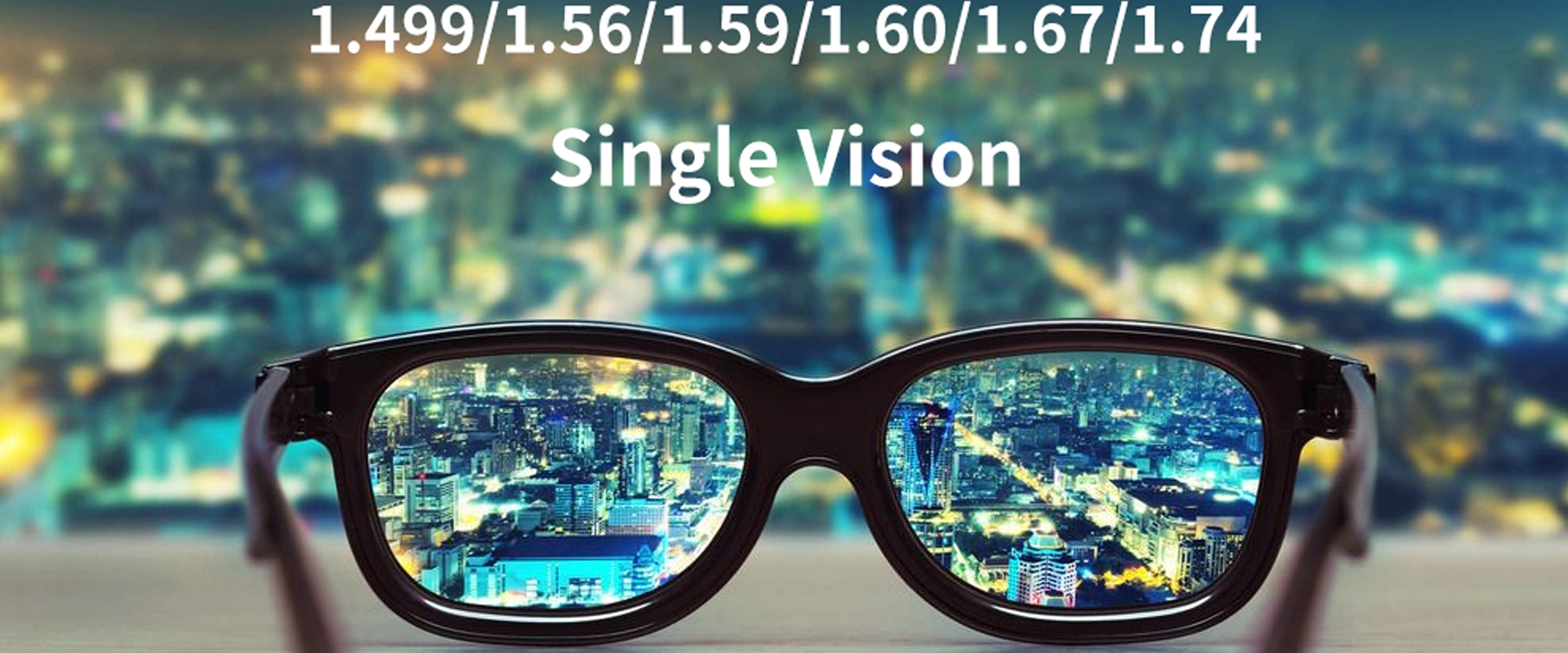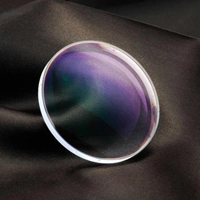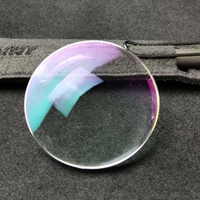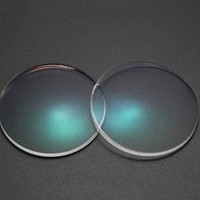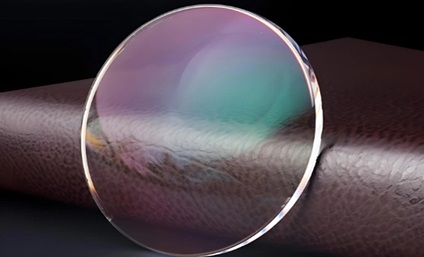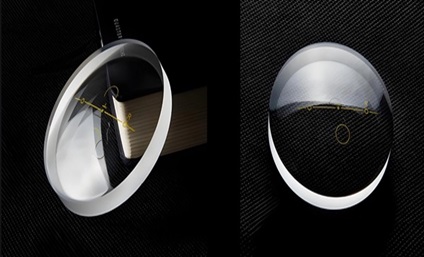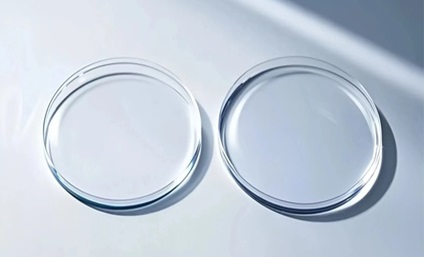
Single vision lenses are suitable for people who need to correct a vision problem. Common application scenarios include: reading use, far-sighting use, reading glasses. The degree of Single vision lens is unchanged, stable and comfortable can be quickly adapted. When choosing high-quality single vision prescription lenses, you need to consider the degree of the lens, refractive index, lens material and other factors. Partner with Crystal Optical for top-quality OEM/ODM services and custom eyeglass lenses.
Sliding
01

Single vision lens have only one optical center and are usually used to correct vision problems such as myopia and presbyopia. The design of this lens is simple, only one focus, suitable for basic vision correction and easy to adjust. Single vision lens, such as the 1.56 optical lens, is a relatively safe, suitable for adjusting a variety of diopter problems, can quickly adapt after wearing. Bifocals have two focal points and are often used in situations where both near and far vision needs to be met. Bifocal lenses are more complex in design and can simultaneously switch between near and far light, providing better lighting effects, especially during night driving. It can meet the daily life needs of patients, and can also prevent postoperative symptoms such as glare.

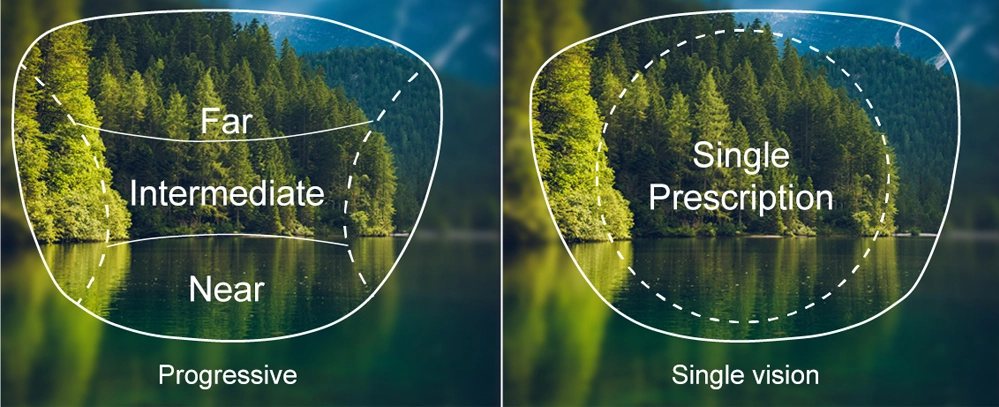
First, multifocal lenses have multiple focal points, and it is gradually progressive. Single vision lenses have only one focus.
Second, suitable for different groups of people. Multifocal lenses are suitable for teenagers to reduce visual fatigue and control myopia development speed; they can also be used for adults close up and computer users to reduce visual fatigue brought about by work; they can also solve the problem of looking at the elderly and looking far.
Single Vision lenses are suitable for people who need to correct a vision problem. Common application scenarios of single vision lenses include: reading use, far-sighted use, and reading glasses. And how do single vision lenses work? You can check out exactly in our blog post.
Sliding
02
1
High visual quality
Compared with progressive lenses, the visual quality of single vision lens is clearer and more stable. Because it has only one lens degree, the central light will naturally converge on a point, will not produce deformation, and the field of vision is more spacious.
2
Good adaptability
For first time eyewear, a single vision lens is more adaptable because it does not have a transfer area, does not need to adapt to progressive transfer, and has a relatively small burden on the eye.
3
Thinner lenses
Since single vision lens have only one lens degree, there is no need to process too many degrees, so the lenses are thinner than progressive lenses. For people with higher degrees, choosing a single focal lens can also reduce the thickness of the lens.
Sliding
04