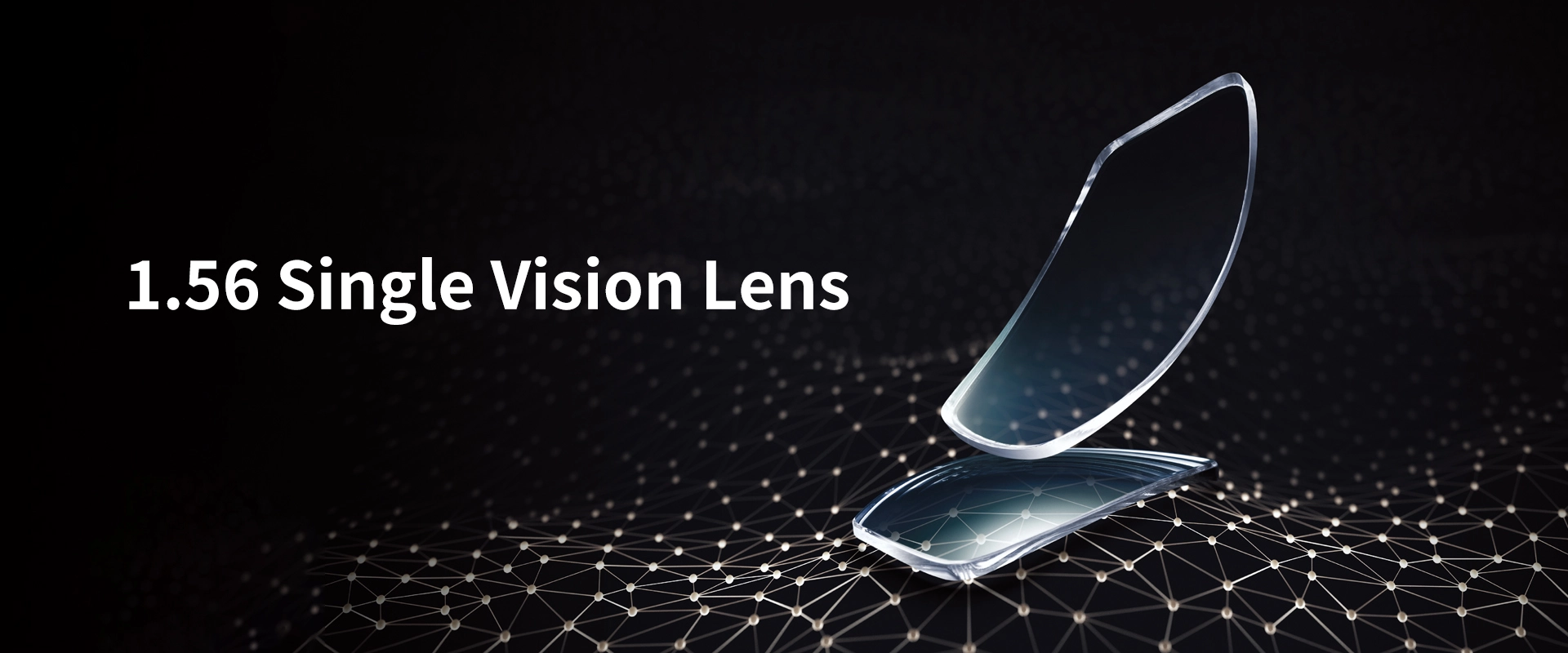
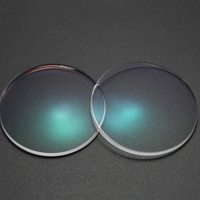
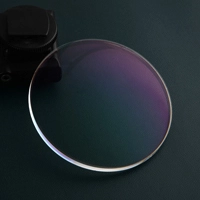
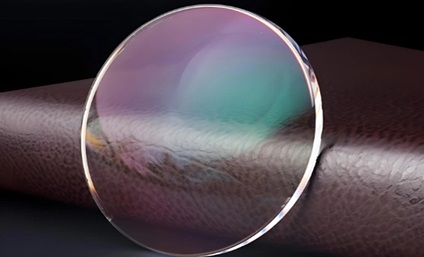
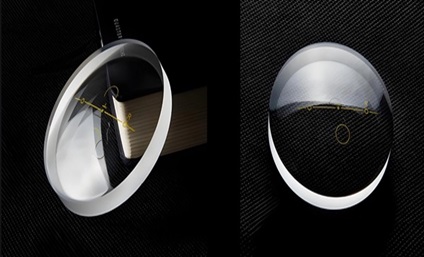
Types of 1.56 Single Vision Lens
Benefits of Choosing 1.56 Single Vision Lenses for Everyday Use
Affordable: A 1.56 optical lens, especially a single vision multicoated lens with 1.56 index only, costs less than high-index lenses.
Suitable for low to moderate myopia : The 1.56 optical lens thickness is moderate, can meet the daily correction needs .
Easy to adapt : single-focus lenses, particularly the single vision multicoated lens with 1.56 index only, are simple in structure and only correct a single distance (usually a middle and long distance), and first-time wearers do not need to go through a complicated adaptation period .
The surface technology of the 1.56 single vision aspheric lens is mature, cleaning and maintenance is relatively simple, ensuring a long service life .
Comparing 1.56 Single Vision Lenses to Higher Index
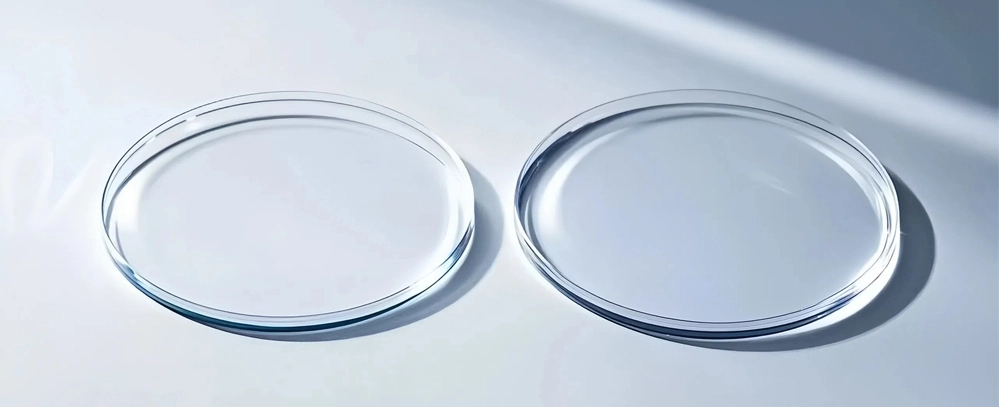
Thickness and weight
1.56 lenses : The refractive index is lower, meaning a single vision multicoated lens with 1.56 index only will be thicker at the same degree compared to higher index options. High refractive index lenses (1.60/1.61/1.67) : The higher the refractive index, the thinner the lens.
Optical performance
Abbe number (sharpness) : The 1.56 optical lens has an Abbe number of about 34-36, while a 1.60 lens can reach 40, offering clearer images and less dispersion.
Price and applicability.
1.56 lenses : cheaper, high index lenses : more expensive.
Material and durability
1.56 lenses : wear resistance is general, long-term use may appear scratches or oxidation discoloration .
high refractive index lens : some materials are more resistant to scratching and impact resistance.
Popular Search Terms from Crystal Optical
round top bifocal
1.56 photochromic lens
semi finished lens suppliers
1.56 blue cut optical lens
1.5 vs 1.56 Lenses
| Feature | 1.5 Standard Index (Single Vision) | 1.56 Mid-Index (Single Vision) |
|---|
| Refractive Index | 1.50 | 1.56 |
| Thickness | Thickest for single vision; ~3mm for low prescriptions | ~15% thinner than 1.5 (~2.5mm for similar prescriptions) |
| Weight | Heavier due to more material | Lighter due to less material |
| Prescription Range | Ideal for low prescriptions (SPH ±2.25, CYL ±1.50) | Suitable for low to moderate prescriptions (SPH ±3.00 to ±4.00) |
| Optical Clarity (Abbe Value) | Higher (~58); excellent clarity, minimal distortion | Moderate (~38); slight distortion at edges for higher prescriptions |
| Durability | Less durable; needs anti-scratch coating | More durable; often includes anti-scratch coating |
| UV Protection | Limited; requires additional UV coating | Typically includes UV protection |
| Cost | Most affordable; starting ~$12 | Slightly higher (~$8–$14 more than 1.5) |
| Frame Compatibility | Best for full-rim frames | Works with full-rim and some semi-rimless frames |
| Best For | Budget-friendly for mild vision correction | Thinner lenses for moderate prescriptions or aesthetic preferences |
Don't Miss These Blogs
what are single vision lenses
semi finished lens definition
 English